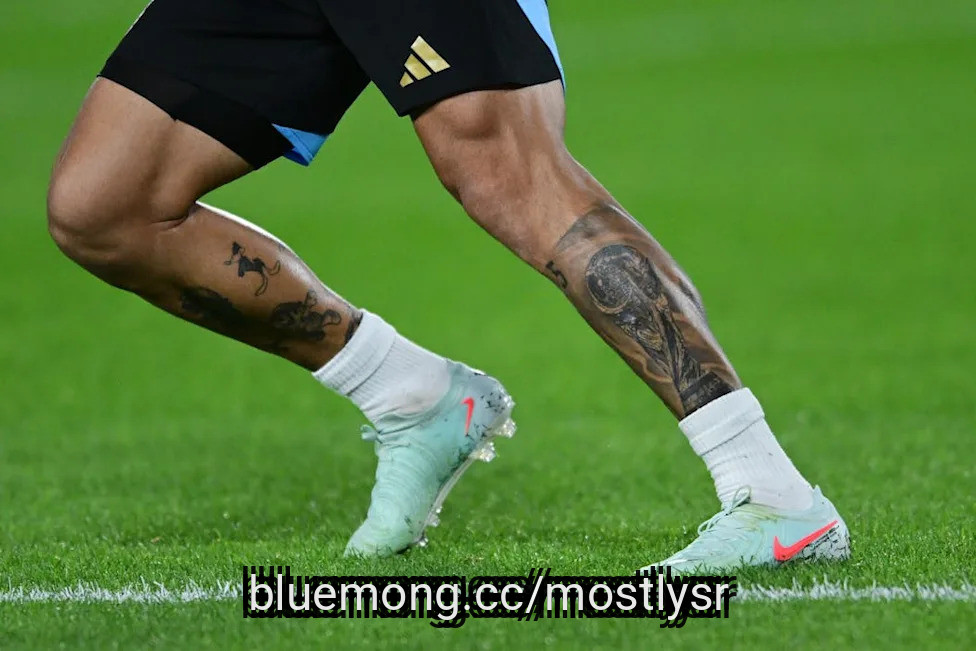
As the 2026 FIFA World Cup starts on June 11, 2026, traditional news and social media channels will be full of pictures of the players. Many of them will be showing their tattoos.
Body art has become increasingly part of international soccer, although its prevalence can vary across geographical regions. A study of athletes participating in the 2018 World Cup found that Latin American players were the most heavily tattooed, followed by those from Oceania and Europe. African and Asian players are the least tattooed.
I have been studying tattoos and their spiritual and religious roles since 2018. Tattoos are an investment of time and money; they tend to symbolize something important in the person's life. For professional athletes, however, they take on another level of meaning.
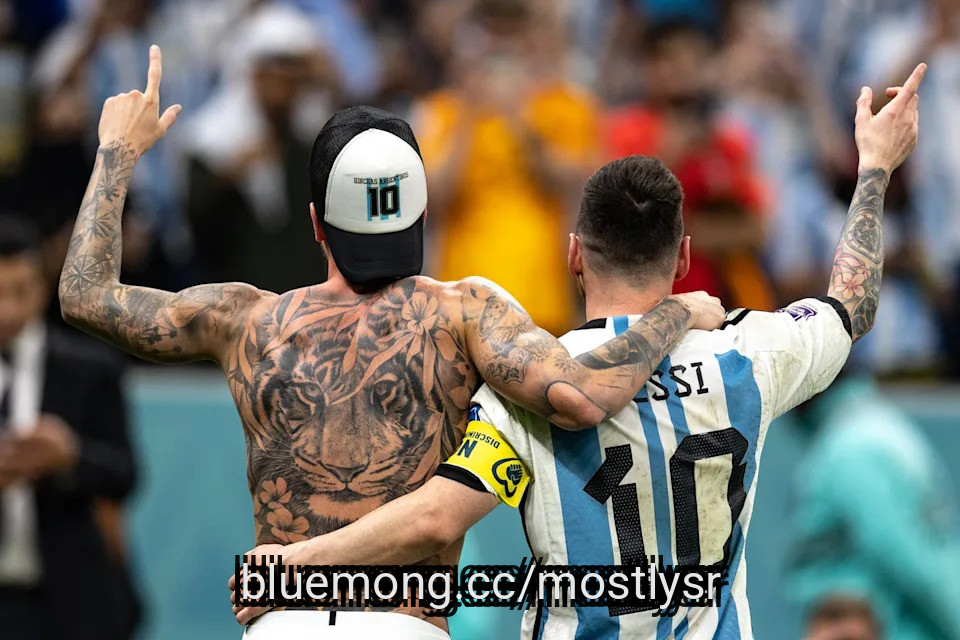
World Cup players' tattoos offer a glimpse into what they value in their lives. Sociologist Gustavo Morello counted 226 tattoos across Argentina's 2022 World Cup squad, including those of World Cup record-holder Lionel Messi.
These athletes operate in controlled environments in which what they do and say with their bodies is highly regulated. A player cannot freely ski, ride, work out or take vacations without considering contractual obligations to companies and other investors. Most of the professionals playing in the World Cup have also signed sponsorship agreements that regulate what they can display on their social media.

5 months ago