
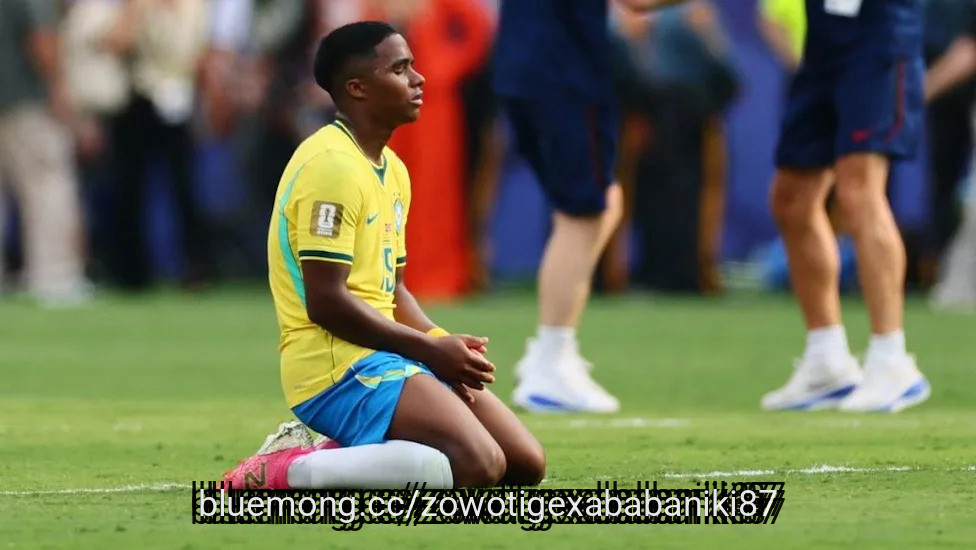
The World Cup creates far more losers than winners. One team will bask in triumph. A few others will have outperformed modest expectations. But most will consider their tournament a failure.
This time around, the pain of an early World Cup exit has hit the Netherlands, Germany, Portugal, and Brazil. Before them, Uruguay, South Korea, and Tunisia all had ambitions beyond the group stage.
The mood around a team can change violently. Darko Jekuac, a professor of sport psychology at the Karlsruhe Institute of Technology, told Front Office Sports that wins in Germany's first two matches generated a surge of optimism in the country that subsided into dismay and anger after the team's penalty shoot-out loss to Paraguay. "It was really surprising how fast the emotions and sentiment of the supporters changed," he said.
Angry fans want there to be a consequence for failure. The most common tactic is to fire the coach. This approach has remained in vogue in 2026; Germany pushed out Julian Nagelsmann, just as Tunisia ditched Sabri Lamouchi after its opening match. Others opted to resign before they could be pushed, including Uruguay's Marcelo Bielsa, Ronald Koeman of the Netherlands, and Hong Myung-Bo of South Korea.
There is a compelling psychological reason for foisting the blame on the coach. "National ***** ociations come under huge pressure from the public and the media to show that they have understood the seriousness of the failure," explains Jekuac. "As the coach is the most visible person in the system, sacking him becomes the fastest way to demonstrate action and accountability."
3 months ago