
3 days ago
Accenture plc (NYSE:ACN) investors are having a rough year, with the shares down more than 25%. Now Wall Street is divided over the company's outlook.
Morgan Stanley raised its price target on Accenture to $175 from $130 on September 14. Accenture shares soared more than 6% in afternoon trading following the price target increase, even though the firm reiterated its Equal weight rating on the stock.
Meanwhile, UBS recently maintained a Buy rating on the stock with a price target of $275. The bank pointed to confidence in the company's positioning around AI and, in separate notes, its acquisition strategy. However, Wells Fargo downgraded Accenture to Equal Weight. According to Wells Fargo, macroeconomic pressures could weigh on fiscal 2027 growth expectations.
The question is whether Accenture's expanding AI capabilities and acquisitions can translate into long-term growth.
Accenture's AI fortunes are tied to enterprise deployment of the technology. The company has formed a joint business group with Google Cloud to deploy AI engineers across enterprise clients. That arrangement gives Accenture another channel through which AI adoption can create demand for consulting, implementation, and integration services.
#fargo
Morgan Stanley raised its price target on Accenture to $175 from $130 on September 14. Accenture shares soared more than 6% in afternoon trading following the price target increase, even though the firm reiterated its Equal weight rating on the stock.
Meanwhile, UBS recently maintained a Buy rating on the stock with a price target of $275. The bank pointed to confidence in the company's positioning around AI and, in separate notes, its acquisition strategy. However, Wells Fargo downgraded Accenture to Equal Weight. According to Wells Fargo, macroeconomic pressures could weigh on fiscal 2027 growth expectations.
The question is whether Accenture's expanding AI capabilities and acquisitions can translate into long-term growth.
Accenture's AI fortunes are tied to enterprise deployment of the technology. The company has formed a joint business group with Google Cloud to deploy AI engineers across enterprise clients. That arrangement gives Accenture another channel through which AI adoption can create demand for consulting, implementation, and integration services.
#fargo


3 days ago
Federal Reserve Chair Kevin Warsh has revealed himself. If not a card-carrying monetarist, he is at least a camp follower. This represents a dramatic change at the Fed, where the past Chairman Jerome Powell repeatedly rejected the basic tenets of monetarism.
This is a welcomed earthquake. After all, there are almost no monetarists left in the world (except for us, and we've been fighting a lonely rearguard action for over 40 years). The Federal Reserve has rejected monetarism consistently — and on the record — because it preferred other models for understanding the economy. In academia, monetarism has been out of fashion for decades. But by his own words, a monetarist is now leading the central bank.
Just what is monetarism? It's a doctrine which holds that money has a major influence on both the level of ***** et prices, economic activity, and the price level. Any discussion of national income determination must, therefore, center on the quantity of money and the banking system, since banks produce most of the money in modern economies. When it comes to monetary policy, its objectives are best met by targeting the rate of growth of the money supply.
Today, most economists pooh-pooh monetarism. Money and banking are nowhere to be found in their macroeconomic models, or their discourses about the course of ***** et prices, economic activity, and prices. Indeed, their forecasting exercises are typically based on elaborations of Keynesian income-expenditure models that exclude money and banking.
If that's not enough, we think that the Fed's backroom staff, mostly Keynesian-leaning Democrats, don't want alignment with a philosophy usually affiliated with Milton Friedman, but that's another story. Just look at what Joe Biden said in 2020 about how the dean of monetarism wasn't "running the show anymore."
#monetarist
This is a welcomed earthquake. After all, there are almost no monetarists left in the world (except for us, and we've been fighting a lonely rearguard action for over 40 years). The Federal Reserve has rejected monetarism consistently — and on the record — because it preferred other models for understanding the economy. In academia, monetarism has been out of fashion for decades. But by his own words, a monetarist is now leading the central bank.
Just what is monetarism? It's a doctrine which holds that money has a major influence on both the level of ***** et prices, economic activity, and the price level. Any discussion of national income determination must, therefore, center on the quantity of money and the banking system, since banks produce most of the money in modern economies. When it comes to monetary policy, its objectives are best met by targeting the rate of growth of the money supply.
Today, most economists pooh-pooh monetarism. Money and banking are nowhere to be found in their macroeconomic models, or their discourses about the course of ***** et prices, economic activity, and prices. Indeed, their forecasting exercises are typically based on elaborations of Keynesian income-expenditure models that exclude money and banking.
If that's not enough, we think that the Fed's backroom staff, mostly Keynesian-leaning Democrats, don't want alignment with a philosophy usually affiliated with Milton Friedman, but that's another story. Just look at what Joe Biden said in 2020 about how the dean of monetarism wasn't "running the show anymore."
#monetarist


4 days ago
During market uncertainty, cautious investors may feel compelled to sell everything while they wait for the dust to settle. But Ross Gerber believes that, to paraphrase Rudyard Kipling, if you can keep your head when everyone else is losing theirs, you'll reap even bigger rewards.
The Gerber Kawasaki CEO says that while inflation, higher bond yields, oil prices, and Federal Reserve rate hikes can pressure stocks, he does not think investors should abandon equities wholesale. Instead, he advocates for a more defensive approach.
He recommends investors trim holdings with valuations that look stretched relative to their growth, build reserves in cash and short-duration fixed income **** ets, and keep long-term positions in companies that he believes still have strong earnings support, such as Nvidia.
And for investors trying to navigate an environment where corporate earnings remain strong while macroeconomic risks pressure stock valuations, that distinction matters. Gerber's framework is less about calling the market's next move than deciding which risks a portfolio can absorb—and which positions still deserve capital.
Here is a closer look at Gerber's defensive-focused strategy.
#gerber #pressure #still
The Gerber Kawasaki CEO says that while inflation, higher bond yields, oil prices, and Federal Reserve rate hikes can pressure stocks, he does not think investors should abandon equities wholesale. Instead, he advocates for a more defensive approach.
He recommends investors trim holdings with valuations that look stretched relative to their growth, build reserves in cash and short-duration fixed income **** ets, and keep long-term positions in companies that he believes still have strong earnings support, such as Nvidia.
And for investors trying to navigate an environment where corporate earnings remain strong while macroeconomic risks pressure stock valuations, that distinction matters. Gerber's framework is less about calling the market's next move than deciding which risks a portfolio can absorb—and which positions still deserve capital.
Here is a closer look at Gerber's defensive-focused strategy.
#gerber #pressure #still


4 days ago
Consumer confidence decreased in August, according to The Conference Board's Consumer Confidence Index. This was the second straight month in decline. If September's report shows the same trend, investors might start looking for stocks that can prove resilient through tough economic times.
Procter & Gamble (NYSE: PG) fits the bill about as well as a company can. Let's have a look.
Missed Nvidia in 2009? This Rare Signal Is Flashing Again. In 2009, a "Double Down" signal flashed for a little-known chipmaker called Nvidia. For the first time in years, that same "Total Conviction" signal is flashing for a company 1/100th the size of Nvidia. Continue »
P&G has raised its dividend for 70 consecutive years. Not many businesses can claim that. Among Dividend Kings, or companies that have raised dividends for 50 years straight, only P&G and five other members qualify for that ultra-elite group. The dividend is also well-funded, as P&G's earnings per share and free cash flow comfortably exceed the amount needed. The company's payout ratio is around 64%.
P&G is diversified within its products. Everything consumers need, ranging from diapers to toothpaste, razors, and detergents, is held within its portfolio of everyday household staples. These are products that people will continue to buy regardless of macroeconomic conditions.
#same
Procter & Gamble (NYSE: PG) fits the bill about as well as a company can. Let's have a look.
Missed Nvidia in 2009? This Rare Signal Is Flashing Again. In 2009, a "Double Down" signal flashed for a little-known chipmaker called Nvidia. For the first time in years, that same "Total Conviction" signal is flashing for a company 1/100th the size of Nvidia. Continue »
P&G has raised its dividend for 70 consecutive years. Not many businesses can claim that. Among Dividend Kings, or companies that have raised dividends for 50 years straight, only P&G and five other members qualify for that ultra-elite group. The dividend is also well-funded, as P&G's earnings per share and free cash flow comfortably exceed the amount needed. The company's payout ratio is around 64%.
P&G is diversified within its products. Everything consumers need, ranging from diapers to toothpaste, razors, and detergents, is held within its portfolio of everyday household staples. These are products that people will continue to buy regardless of macroeconomic conditions.
#same


4 days ago
Updated Sept. 17, 2026 2:46 pm ET
Listen
(3 min)
1443 ET – Precious metal futures settle higher in New York, recovering from a swoon in the wake of yesterday’s Federal Reserve interest-rate increase. “My sense is that they will lag while we’re in a rate-hiking cycle, and right now we’re fairly clearly in a rate-hiking cycle,” says David Russell, global head of market strategy at TradeStation. There are a lot of arguments in favor of gold, in terms of central bank buying and an alternative to the dollar, but the current macro environment “is not in any way textbook favorable for gold and silver,” he adds. Front-month gold settles up 0.3% to $4,360.20 a troy ounce, and silver rises 1.8% to $65.47 a troy ounce. (anthony.harrupwsj.com)
1118 ET – Gold futures recover losses that followed the Fed’s rate hike as Treasury yields move lower and the dollar slips, while oil prices extend their pullback to a second day. “Gold is rangebound with two-way risk, but the large bull market we had seen earlier in the year is considered on pause for now,” Pepperstone strategist Ahmad ******* iri says in a note. The bull market could continue at some stage with underlying drivers such as central bank demand, macro uncertainty, and fiscal concerns, he says. But “the path of oil prices and their transmission into Fed policy remains the single most important variable from now till year-end.” The December contract is up 0.4% in New York at $4,404.90 a troy ounce. Silver rises 2.3% to $66.44 a troy ounce. (anthony.harrupwsj.com)
#Gold #york #futures
Listen
(3 min)
1443 ET – Precious metal futures settle higher in New York, recovering from a swoon in the wake of yesterday’s Federal Reserve interest-rate increase. “My sense is that they will lag while we’re in a rate-hiking cycle, and right now we’re fairly clearly in a rate-hiking cycle,” says David Russell, global head of market strategy at TradeStation. There are a lot of arguments in favor of gold, in terms of central bank buying and an alternative to the dollar, but the current macro environment “is not in any way textbook favorable for gold and silver,” he adds. Front-month gold settles up 0.3% to $4,360.20 a troy ounce, and silver rises 1.8% to $65.47 a troy ounce. (anthony.harrupwsj.com)
1118 ET – Gold futures recover losses that followed the Fed’s rate hike as Treasury yields move lower and the dollar slips, while oil prices extend their pullback to a second day. “Gold is rangebound with two-way risk, but the large bull market we had seen earlier in the year is considered on pause for now,” Pepperstone strategist Ahmad ******* iri says in a note. The bull market could continue at some stage with underlying drivers such as central bank demand, macro uncertainty, and fiscal concerns, he says. But “the path of oil prices and their transmission into Fed policy remains the single most important variable from now till year-end.” The December contract is up 0.4% in New York at $4,404.90 a troy ounce. Silver rises 2.3% to $66.44 a troy ounce. (anthony.harrupwsj.com)
#Gold #york #futures





5 days ago
Aristotle International Equity Fund, sub-advised by Aristotle Capital Management, LLC, released its second-quarter 2026 investor letter. The letter can be downloaded here. Global equity markets reached record highs in Q2, with the MSCI ACWI Index rising 14.93%, while global fixed income grew modestly by 0.87%. Geopolitical tensions, particularly in the Middle East, affected energy markets and investor sentiment, highlighting volatility and fragility in global supply. Central banks reacted variably to inflationary pressures, with the ECB raising rates amidst concerns of stagflation, while the Fed and Bank of England held rates steady. Despite economic challenges, robust earnings continued in Europe and Asia, driven by AI infrastructure demand. The Aristotle International Equity Fund (Class I-2) recorded an 8.40% return in the quarter, underperforming both the MSCI EAFE Index, which returned 10.82%, and the MSCI ACWI ex USA Index, which returned 14.49%. Going forward, the fund remains focused on quality investments as geopolitical and macroeconomic complexities make forecasting returns challenging. Additionally, reviewing the Fund's top five holdings could help identify its best picks for 2026.
In its second-quarter 2026 investor letter, Aristotle International Equity Fund highlighted Unilever PLC (NYSE:UL). Unilever PLC (NYSE:UL) is a British consumer goods giant, that sell products across food, homecare, beauty, and personal care categories. On September 17, 2026, Unilever PLC (NYSE:UL) closed at $62.22 per share. Over the past month, Unilever PLC (NYSE:UL) declined 2.99%, but its shares are down 5.09% over the past year. Unilever PLC (NYSE:UL) has a market capitalization of $133.98 billion, and its stock has traded within a 52-week range of $54.75 to $74.98.
Aristotle International Equity Fund stated the following regarding Unilever PLC (NYSE:UL) in its Q2 2026 investor letter:
"We first invested in Unilever PLC (NYSE:UL), the global consumer staples company, in the second quarter of 2013. We have long been attracted to the company's broad portfolio of leading personal care and food brands (such as Dove, Knorr and Axe), global scale, significant emerging markets exposure and strong position across everyday use categories. Over our more than decade-long holding period, Unilever strengthened and simplified its portfolio, divesting lower-growth food ***** ets, improving efficiency, increasing focus behind its largest brands and shifting the business toward faster-growing, higher-margin beauty, wellbeing, personal care and home care categories. More recently, the separation of the ice cream business and continued reshaping of the food portfolio have further narrowed Unilever's strategic focus. While we continue to view the remaining Unilever franchise as high quality, we believe the more compelling opportunity now resides in the independent ice cream business, where dedicated management and a category-specific strategy should provide a clearer pa
In its second-quarter 2026 investor letter, Aristotle International Equity Fund highlighted Unilever PLC (NYSE:UL). Unilever PLC (NYSE:UL) is a British consumer goods giant, that sell products across food, homecare, beauty, and personal care categories. On September 17, 2026, Unilever PLC (NYSE:UL) closed at $62.22 per share. Over the past month, Unilever PLC (NYSE:UL) declined 2.99%, but its shares are down 5.09% over the past year. Unilever PLC (NYSE:UL) has a market capitalization of $133.98 billion, and its stock has traded within a 52-week range of $54.75 to $74.98.
Aristotle International Equity Fund stated the following regarding Unilever PLC (NYSE:UL) in its Q2 2026 investor letter:
"We first invested in Unilever PLC (NYSE:UL), the global consumer staples company, in the second quarter of 2013. We have long been attracted to the company's broad portfolio of leading personal care and food brands (such as Dove, Knorr and Axe), global scale, significant emerging markets exposure and strong position across everyday use categories. Over our more than decade-long holding period, Unilever strengthened and simplified its portfolio, divesting lower-growth food ***** ets, improving efficiency, increasing focus behind its largest brands and shifting the business toward faster-growing, higher-margin beauty, wellbeing, personal care and home care categories. More recently, the separation of the ice cream business and continued reshaping of the food portfolio have further narrowed Unilever's strategic focus. While we continue to view the remaining Unilever franchise as high quality, we believe the more compelling opportunity now resides in the independent ice cream business, where dedicated management and a category-specific strategy should provide a clearer pa

5 days ago
Fenimore ***** et Management, an investment management company, released its Q2 2026 investor letter. The letter can be downloaded here. U.S. equity markets saw broad gains in Q2, driven by strong corporate earnings, economic resilience, and enthusiasm for artificial intelligence (AI). Major indices reached all-time highs, though the energy sector declined. Continued earnings growth, especially among AI-related investments, supported the rally. Technology, particularly semiconductors, led performance as demand for AI infrastructure surged. Despite macroeconomic uncertainties and interest rate influences, Fenimore remains committed to investing in high-quality businesses. The Fenimore Small Cap Strategy returned 9.51% in the quarter, lagging the Russell 2000 Index's 21.49% gain. The underperformance was largely driven by avoiding lower-quality tech stocks linked to data center expansions. Additionally, reviewing the Fund's top five holdings could help identify its best picks for 2026.
In its second-quarter 2026 investor letter, Fenimore ***** et Management highlighted Ryan Specialty Holdings, Inc. (NYSE:RYAN). Ryan Specialty Holdings, Inc. (NYSE:RYAN) is a specialty insurance services company that provides distribution, underwriting, product development, administration, and risk management services. On September 17, 2026, Ryan Specialty Holdings, Inc. (NYSE:RYAN) closed at $40.03 per share. The one-month return of Ryan Specialty Holdings, Inc. (NYSE:RYAN) was -8.32%, and its shares lost 25.53% over the past 52 weeks. Ryan Specialty Holdings, Inc. (NYSE:RYAN) has a market capitalization of $10.15 billion.
Fenimore ***** et Management stated the following regarding Ryan Specialty Holdings, Inc. (NYSE:RYAN) in its Q2 2026 investor letter:
"We initiated a position in Ryan Specialty Holdings, Inc. (NYSE:RYAN), which we had previously owned after its initial public offering. The insurance industry has seen softness in rates. While RYAN's model differs from traditional retail brokerage, the company released results citing a volatile environment which led to a decrease in their earnings outlook for the year. We're encouraged by the business's long-term prospects and, in our opinion, its legendary leader Pat Ryan. He is also purchasing shares of RYAN's stock during this weakness."
Ryan Specialty Holdings, Inc. (NYSE:RYAN) is not on our list of 40 Most Popular Stocks Among Hedge Funds Heading Into 2026. According to our database, 32 hedge fund portfolios held Ryan Specialty Holdings, Inc. (NYSE:RYAN) at the end of the second quarter, compared to 35 in the previous quarter. While we acknowledge the potential of Ryan Specialty Holdings, Inc. (NYSE:RYAN) as an investment, we believe certain AI stocks offer greater upside potential and carry less downside risk. If you're looking for an extremely undervalued AI stock that also stands to benefit significantly from Trump-era tariffs and the onshoring trend, see our free report on the best short-term AI stock.
In its second-quarter 2026 investor letter, Fenimore ***** et Management highlighted Ryan Specialty Holdings, Inc. (NYSE:RYAN). Ryan Specialty Holdings, Inc. (NYSE:RYAN) is a specialty insurance services company that provides distribution, underwriting, product development, administration, and risk management services. On September 17, 2026, Ryan Specialty Holdings, Inc. (NYSE:RYAN) closed at $40.03 per share. The one-month return of Ryan Specialty Holdings, Inc. (NYSE:RYAN) was -8.32%, and its shares lost 25.53% over the past 52 weeks. Ryan Specialty Holdings, Inc. (NYSE:RYAN) has a market capitalization of $10.15 billion.
Fenimore ***** et Management stated the following regarding Ryan Specialty Holdings, Inc. (NYSE:RYAN) in its Q2 2026 investor letter:
"We initiated a position in Ryan Specialty Holdings, Inc. (NYSE:RYAN), which we had previously owned after its initial public offering. The insurance industry has seen softness in rates. While RYAN's model differs from traditional retail brokerage, the company released results citing a volatile environment which led to a decrease in their earnings outlook for the year. We're encouraged by the business's long-term prospects and, in our opinion, its legendary leader Pat Ryan. He is also purchasing shares of RYAN's stock during this weakness."
Ryan Specialty Holdings, Inc. (NYSE:RYAN) is not on our list of 40 Most Popular Stocks Among Hedge Funds Heading Into 2026. According to our database, 32 hedge fund portfolios held Ryan Specialty Holdings, Inc. (NYSE:RYAN) at the end of the second quarter, compared to 35 in the previous quarter. While we acknowledge the potential of Ryan Specialty Holdings, Inc. (NYSE:RYAN) as an investment, we believe certain AI stocks offer greater upside potential and carry less downside risk. If you're looking for an extremely undervalued AI stock that also stands to benefit significantly from Trump-era tariffs and the onshoring trend, see our free report on the best short-term AI stock.


5 days ago
Wall Street has spent years obsessing over when the Federal Reserve will lower interest rates, but billionaire investor Stanley Druckenmiller thinks investors may be asking the wrong question.
The senior macro investor argues that U.S. interest rates are already too low and that future rate cuts aren't essential, according to the Financial Times.
His argument comes at a critical period.
Treasury bonds have been under selling pressure amid inflation fears, growing U.S. public debt, and considerable bond issuance by artificial intelligence startups, CNBC noted. And it puts the focus of market chatter back on borrowing rates.
Druckenmiller's warning came at a Piper Sandler conference in New York, where he also targeted Federal Reserve officials who say current monetary policy is restrictive.
#reserve
The senior macro investor argues that U.S. interest rates are already too low and that future rate cuts aren't essential, according to the Financial Times.
His argument comes at a critical period.
Treasury bonds have been under selling pressure amid inflation fears, growing U.S. public debt, and considerable bond issuance by artificial intelligence startups, CNBC noted. And it puts the focus of market chatter back on borrowing rates.
Druckenmiller's warning came at a Piper Sandler conference in New York, where he also targeted Federal Reserve officials who say current monetary policy is restrictive.
#reserve


5 days ago
York Water holds the longest dividend streak in US public markets at 27 consecutive years, while WTW's $1.775B operating cash flow dwarfs its $358M dividend obligation.
Amdocs and Ituran both run near-recession-proof revenue models, with DOX posting near-100% managed services renewal rates and ITRN carrying zero debt alongside $103.7M in net cash.
All five stocks fund dividends from contracted or recurring revenue streams such as regulated rates, fee income, or subscriptions, insulating payouts from economic cycles.
Read More: Learn 7 secret wealth tips high net worth investors use that most investors miss (sponsor)
Income investors heading into the fourth quarter want payouts that don't wobble with the business cycle. The five names below share one thing: dividends funded by recurring, contracted, or fee-based revenue streams that keep flowing whether or not the macro cooperates. Each has raised its payout recently, and each trades on Nasdaq. As a grounding data point, Willis Towers Watson (NASDAQ:WTW) alone generated $360 million of first-half free cash flow, roughly double the prior-year period, giving the broker ample room to keep funding both dividends and buybacks.
#revenue #NASDAQ #Dividend
Amdocs and Ituran both run near-recession-proof revenue models, with DOX posting near-100% managed services renewal rates and ITRN carrying zero debt alongside $103.7M in net cash.
All five stocks fund dividends from contracted or recurring revenue streams such as regulated rates, fee income, or subscriptions, insulating payouts from economic cycles.
Read More: Learn 7 secret wealth tips high net worth investors use that most investors miss (sponsor)
Income investors heading into the fourth quarter want payouts that don't wobble with the business cycle. The five names below share one thing: dividends funded by recurring, contracted, or fee-based revenue streams that keep flowing whether or not the macro cooperates. Each has raised its payout recently, and each trades on Nasdaq. As a grounding data point, Willis Towers Watson (NASDAQ:WTW) alone generated $360 million of first-half free cash flow, roughly double the prior-year period, giving the broker ample room to keep funding both dividends and buybacks.
#revenue #NASDAQ #Dividend


5 days ago
Billionaire Ray Dalio's Bridgewater ******* ociates and Cathie Wood's ARK Invest follow sharply different investment philosophies. Bridgewater generally runs a diversified, macro-driven portfolio that balances exposure across ******* ets, countries and economic environments. ARK concentrates on companies it believes can benefit from disruptive innovation.
Still, Insider Monkey's ******* ysis of their second-quarter 13F filings shows that the two firms shared exposure to several stocks. Among the largest common holdings were Eli Lilly (LLY) and Nvidia (NVDA).
Bridgewater held 87,023 Eli Lilly shares worth about $104.4 million at the end of the second quarter, after increasing its position by 16,211 shares. ARK held 77,254 shares valued at about $92.7 million, after adding 64,578 shares.
Bridgewater's Nvidia stake was much larger, comprising 3.87 million shares worth about $773.6 million. However, it reduced the position by 826,808 shares during the quarter. ARK moved in the other direction, adding 345,821 Nvidia shares to end the quarter with 1.38 million shares valued at about $276.4 million.
Let's focus on LLY.
#shares #quarter #exposure
Still, Insider Monkey's ******* ysis of their second-quarter 13F filings shows that the two firms shared exposure to several stocks. Among the largest common holdings were Eli Lilly (LLY) and Nvidia (NVDA).
Bridgewater held 87,023 Eli Lilly shares worth about $104.4 million at the end of the second quarter, after increasing its position by 16,211 shares. ARK held 77,254 shares valued at about $92.7 million, after adding 64,578 shares.
Bridgewater's Nvidia stake was much larger, comprising 3.87 million shares worth about $773.6 million. However, it reduced the position by 826,808 shares during the quarter. ARK moved in the other direction, adding 345,821 Nvidia shares to end the quarter with 1.38 million shares valued at about $276.4 million.
Let's focus on LLY.
#shares #quarter #exposure


5 days ago
On the September 11 episode of Mad Money, Jim Cramer expressed strong optimism for Brinker International, Inc. (NYSE:EAT) ahead of its upcoming **** yst presentation, as he said:
Thursday, we have two important **** yst meetings. Brinker... We have them all the time on the show. Brinker, you know, is Chili's, and the company never fails to wow me. I think this meeting will be no exception.
Brinker International, Inc. (NYSE:EAT) continues to demonstrate operational strength across the casual dining sector, driven by sustained customer traffic and menu innovation at Chili's Grill & Bar. In its fourth quarter of fiscal 2026, the company generated $1.54 billion in total revenue, bringing full-year revenues to $5.81 billion. Adjusted earnings per share for the quarter reached $3.07, representing a 23% year-over-year increase.
Chili's reported a 5.6% increase in comparable store sales, marking its 21st consecutive quarter of positive same-store sales growth. The sustained momentum has been supported by the ongoing success of the $10.99 "3 for Me" everyday value platform as well as targeted menu launches, including the Big Crispy Chicken Sandwich, which helped support traffic as Chili's continued positioning its value proposition against fast-food offerings. According to the company's CEO Kevin Hochman, the Big Crispy Chicken Sandwich "overdelivered" on the management's estimates.
Despite consistent top-line momentum, Brinker International, Inc. (NYSE:EAT) faces ongoing execution risks **** ociated with sticky cost inflation and broader macroeconomic pressures on consumer spending. Elevated wholesale prices for core commodities, especially beef and produce, continue to weigh on restaurant operating costs, while wage growth across regional markets keeps labor expenses elevated.
#elevated #analyst
Thursday, we have two important **** yst meetings. Brinker... We have them all the time on the show. Brinker, you know, is Chili's, and the company never fails to wow me. I think this meeting will be no exception.
Brinker International, Inc. (NYSE:EAT) continues to demonstrate operational strength across the casual dining sector, driven by sustained customer traffic and menu innovation at Chili's Grill & Bar. In its fourth quarter of fiscal 2026, the company generated $1.54 billion in total revenue, bringing full-year revenues to $5.81 billion. Adjusted earnings per share for the quarter reached $3.07, representing a 23% year-over-year increase.
Chili's reported a 5.6% increase in comparable store sales, marking its 21st consecutive quarter of positive same-store sales growth. The sustained momentum has been supported by the ongoing success of the $10.99 "3 for Me" everyday value platform as well as targeted menu launches, including the Big Crispy Chicken Sandwich, which helped support traffic as Chili's continued positioning its value proposition against fast-food offerings. According to the company's CEO Kevin Hochman, the Big Crispy Chicken Sandwich "overdelivered" on the management's estimates.
Despite consistent top-line momentum, Brinker International, Inc. (NYSE:EAT) faces ongoing execution risks **** ociated with sticky cost inflation and broader macroeconomic pressures on consumer spending. Elevated wholesale prices for core commodities, especially beef and produce, continue to weigh on restaurant operating costs, while wage growth across regional markets keeps labor expenses elevated.
#elevated #analyst


6 days ago
As markets anxiously await the outcome of the current FOMC meeting, Treasury yields notched new 19-year highs in trading Tuesday. The closely watched 10-year surpassed 5.0% Tuesday morning in a high not seen since July 2007. Even the 30-year Treasury yield rose sharply, hitting 5.4%, its highest since June 2007.
In addition to worries over persistent, rising core inflation (one of the Fed's preferred inflation measurements), skyrocketing oil prices and shortages create further pressure on Treasuries. Currently, the rolling one-month correlation between the 10-year Treasury yield and front-month WTI (West Texas Intermediate) crude sits at 0.96 per BMO Capital Markets ****** ysis.
Bond yields and oil prices have moved in tandem for much of this year as investors position for the longer-term inflationary impact of higher oil prices. And with major oil execs sounding the alarm on global supply cache shortages and strategic reserves depletion that help to temporarily soften spiking oil prices for consumers, these pricing pressures are likely to continue in the near-term. Saudi Arabia announced the closure of its East-West pipeline that bypassed the Strait of Hormuz after it came under attack late last week, and cancelled some shipments to Europe, reported Reuters.
"Normally, the relationship isn't as clean as it is now, but the geopolitical drivers behind the price of oil and global inflation are so prominent that the normally modest correlation has become much tighter," Steve Sosnick, Chief Strategist, Interactive Brokers told CNBC. "As long as oil prices remain firm and continue to drift higher, this will add pressure to interest rates."
As macro uncertainty continues and inflation persists, bonds and oil/energy will be categories to keep a weather eye towards and could see renewed ETF investor attention. Currently, investors are seizing the opportunity in longer-term bonds, with $9.7 billion flowing into the iShares 20+ Year Treasury Bond ETF (TLT) in the last three months though the fund is only up $3.4 billion net YTD according to FactSet data. It will be a category likely to see action in the wake of the FOMC rate decision. As bond yields climb, prices fall as they move inverse to each other, and should yields climb higher, investors may choose to scoop up longer duration bonds at depreciated prices for future gains. However, an exodus is more likely until the path of rate hikes becomes more certain.
#treasury #longer #higher
In addition to worries over persistent, rising core inflation (one of the Fed's preferred inflation measurements), skyrocketing oil prices and shortages create further pressure on Treasuries. Currently, the rolling one-month correlation between the 10-year Treasury yield and front-month WTI (West Texas Intermediate) crude sits at 0.96 per BMO Capital Markets ****** ysis.
Bond yields and oil prices have moved in tandem for much of this year as investors position for the longer-term inflationary impact of higher oil prices. And with major oil execs sounding the alarm on global supply cache shortages and strategic reserves depletion that help to temporarily soften spiking oil prices for consumers, these pricing pressures are likely to continue in the near-term. Saudi Arabia announced the closure of its East-West pipeline that bypassed the Strait of Hormuz after it came under attack late last week, and cancelled some shipments to Europe, reported Reuters.
"Normally, the relationship isn't as clean as it is now, but the geopolitical drivers behind the price of oil and global inflation are so prominent that the normally modest correlation has become much tighter," Steve Sosnick, Chief Strategist, Interactive Brokers told CNBC. "As long as oil prices remain firm and continue to drift higher, this will add pressure to interest rates."
As macro uncertainty continues and inflation persists, bonds and oil/energy will be categories to keep a weather eye towards and could see renewed ETF investor attention. Currently, investors are seizing the opportunity in longer-term bonds, with $9.7 billion flowing into the iShares 20+ Year Treasury Bond ETF (TLT) in the last three months though the fund is only up $3.4 billion net YTD according to FactSet data. It will be a category likely to see action in the wake of the FOMC rate decision. As bond yields climb, prices fall as they move inverse to each other, and should yields climb higher, investors may choose to scoop up longer duration bonds at depreciated prices for future gains. However, an exodus is more likely until the path of rate hikes becomes more certain.
#treasury #longer #higher

6 days ago
Last month, Strategy (NASDAQ: MSTR) founder and Executive Chairman Michael Saylor predicted that Bitcoin's token price would grow at a 30% compound annual rate over a 10-year period. At the time, the market-leading cryptocurrency was trading at roughly $64,500.
As of this writing, Bitcoin is already up roughly 20% since Saylor made his prediction. Could Saylor's prediction for average annualized returns over the next 30 years really hold up?
Missed Nvidia in 2009? This Rare Signal Is Flashing Again. In 2009, a "Double Down" signal flashed for a little-known chipmaker called Nvidia. For the first time in years, that same "Total Conviction" signal is flashing for a company 1/100th the size of Nvidia. Continue »
Bitcoin hit an all-time high of roughly $126,200 per token in October 2025. It then began an extended downtrend that took it to a cyclical low of below $58,600 this summer. Even though the cryptocurrency has recently seen some strong bullish momentum, it's still down roughly 39% from its peak. It's possible that current macroeconomic dynamics will help the token continue regaining ground.
With concerns about rising bond yields, oil prices, and inflation recently shaping action across the stock market and weighing heavily on the broader macroeconomic outlook, the stage could be set for Bitcoin to continue coming back into favor with investors in the near term. Crypto bulls have long touted the token's ability to function as a store of value or "digital gold," and an inflationary environment that coincides with record national debt continuing to reach new highs seemingly reflects the kind of dynamics that Bitcoin has been championed as a bulwark against.
#saylor
As of this writing, Bitcoin is already up roughly 20% since Saylor made his prediction. Could Saylor's prediction for average annualized returns over the next 30 years really hold up?
Missed Nvidia in 2009? This Rare Signal Is Flashing Again. In 2009, a "Double Down" signal flashed for a little-known chipmaker called Nvidia. For the first time in years, that same "Total Conviction" signal is flashing for a company 1/100th the size of Nvidia. Continue »
Bitcoin hit an all-time high of roughly $126,200 per token in October 2025. It then began an extended downtrend that took it to a cyclical low of below $58,600 this summer. Even though the cryptocurrency has recently seen some strong bullish momentum, it's still down roughly 39% from its peak. It's possible that current macroeconomic dynamics will help the token continue regaining ground.
With concerns about rising bond yields, oil prices, and inflation recently shaping action across the stock market and weighing heavily on the broader macroeconomic outlook, the stage could be set for Bitcoin to continue coming back into favor with investors in the near term. Crypto bulls have long touted the token's ability to function as a store of value or "digital gold," and an inflationary environment that coincides with record national debt continuing to reach new highs seemingly reflects the kind of dynamics that Bitcoin has been championed as a bulwark against.
#saylor


6 days ago
NuScale Power Corporation (SMR) stands out as America's leading developer of small modular reactors (SMRs), building light-water nuclear systems designed to deliver reliable, carbon-free baseload power. Its core product, the NuScale Power Module, targets a wide range of applications, from traditional electricity generation to industrial decarbonization, AI data center power supply, and hydrogen production. Notably, NuScale remains the only SMR developer to secure Standard Design Approval from the U.S. Nuclear Regulatory Commission, a regulatory milestone that continues to anchor its competitive positioning in the emerging advanced nuclear industry.
NuScale's stock has been anything but stable. Over the past 52 weeks, shares have traded across an enormous range, from a low of $7.21 to a high of $57.42, before settling closer to $10.81. That volatility stems from a mix of factors: heavy retail investor interest, elevated short interest fueling sharp swings in both directions, and macroeconomic shifts in interest rates that disproportionately affect capital-intensive, pre-revenue growth companies. Compared to the Russell 2000, a benchmark of diversified, largely profitable small-cap stocks, NuScale carries a significantly higher beta and downside risk, reflecting its speculative, early-stage commercialization profile.
Goldman Sachs Expects Fed Chair Kevin Warsh to Raise Rates This Week — But Not Because of Oil Prices.
Crude Prices Soar as Global Oil Supplies Continue to Tighten
Middle East Supply Constraints Lift Crude Oil Prices
#nuclear #crude
NuScale's stock has been anything but stable. Over the past 52 weeks, shares have traded across an enormous range, from a low of $7.21 to a high of $57.42, before settling closer to $10.81. That volatility stems from a mix of factors: heavy retail investor interest, elevated short interest fueling sharp swings in both directions, and macroeconomic shifts in interest rates that disproportionately affect capital-intensive, pre-revenue growth companies. Compared to the Russell 2000, a benchmark of diversified, largely profitable small-cap stocks, NuScale carries a significantly higher beta and downside risk, reflecting its speculative, early-stage commercialization profile.
Goldman Sachs Expects Fed Chair Kevin Warsh to Raise Rates This Week — But Not Because of Oil Prices.
Crude Prices Soar as Global Oil Supplies Continue to Tighten
Middle East Supply Constraints Lift Crude Oil Prices
#nuclear #crude




6 days ago
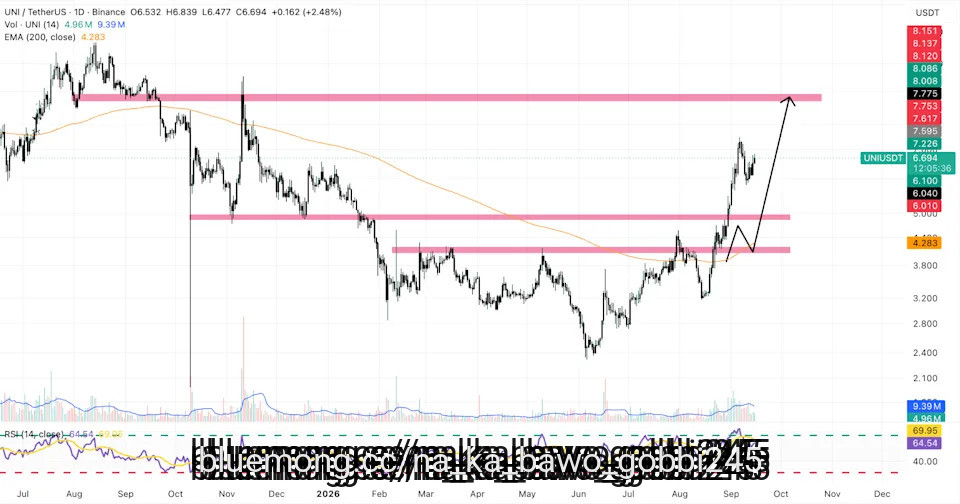
Uniswap (UNI) has jumped by more than 6% in the past 24 hours, and it is the best-performing token in the top 20, as on-chain data shows that protocol fees have exploded in September.
In the past 30 days alone, this token has doubled its value, primarily amid the success of its launch on the Robinhood Chain.
Trading volumes in the past 24 hours have surged by 80%, to nearly $640 million. At those levels, they account for almost 15% of the ****** et's circulating market cap.
UNI has managed to defy a challenging macroeconomic backdrop marked by expectations of multiple upcoming rate hikes.
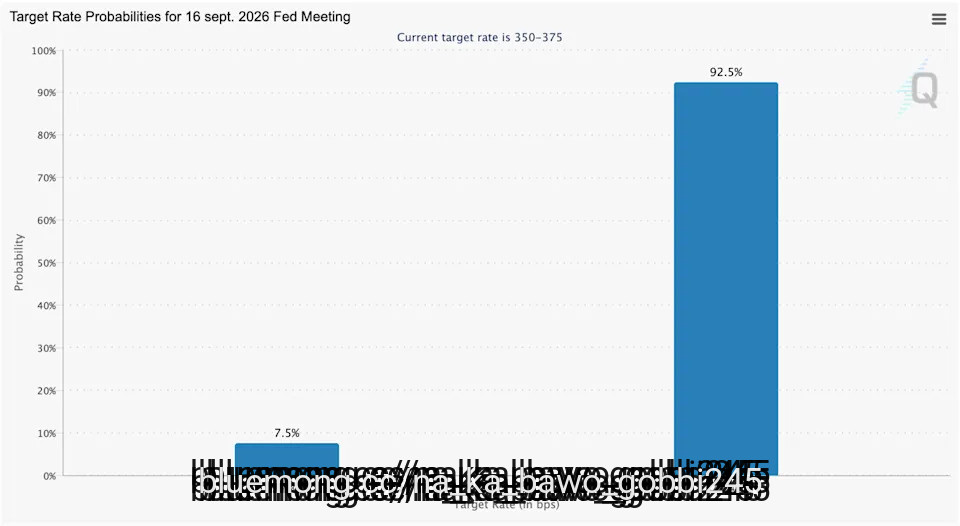
According to data from FedWatch, the Federal Reserve will increase interest rates by 25 basis points tomorrow. Meanwhile, it appears that ****** ysts are leaning toward a second rate increase in December, as high inflation in the United States persists.
#past #token #increase
In the past 30 days alone, this token has doubled its value, primarily amid the success of its launch on the Robinhood Chain.
Trading volumes in the past 24 hours have surged by 80%, to nearly $640 million. At those levels, they account for almost 15% of the ****** et's circulating market cap.
UNI has managed to defy a challenging macroeconomic backdrop marked by expectations of multiple upcoming rate hikes.
According to data from FedWatch, the Federal Reserve will increase interest rates by 25 basis points tomorrow. Meanwhile, it appears that ****** ysts are leaning toward a second rate increase in December, as high inflation in the United States persists.
#past #token #increase

6 days ago
Uniswap (UNI) has jumped by more than 6% in the past 24 hours, and it is the best-performing token in the top 20, as on-chain data shows that protocol fees have exploded in September.
In the past 30 days alone, this token has doubled its value, primarily amid the success of its launch on the Robinhood Chain.
Trading volumes in the past 24 hours have surged by 80%, to nearly $640 million. At those levels, they account for almost 15% of the **** et's circulating market cap.
UNI has managed to defy a challenging macroeconomic backdrop marked by expectations of multiple upcoming rate hikes.
According to data from FedWatch, the Federal Reserve will increase interest rates by 25 basis points tomorrow. Meanwhile, it appears that **** ysts are leaning toward a second rate increase in December, as high inflation in the United States persists.
#token #robinhood
In the past 30 days alone, this token has doubled its value, primarily amid the success of its launch on the Robinhood Chain.
Trading volumes in the past 24 hours have surged by 80%, to nearly $640 million. At those levels, they account for almost 15% of the **** et's circulating market cap.
UNI has managed to defy a challenging macroeconomic backdrop marked by expectations of multiple upcoming rate hikes.
According to data from FedWatch, the Federal Reserve will increase interest rates by 25 basis points tomorrow. Meanwhile, it appears that **** ysts are leaning toward a second rate increase in December, as high inflation in the United States persists.
#token #robinhood



7 days ago
Billionaire Ray Dalio's Bridgewater ****** ociates and Cathie Wood's ARK Invest follow sharply different investment philosophies. Bridgewater generally runs a diversified, macro-driven portfolio that balances exposure across ****** ets, countries and economic environments. ARK concentrates on companies it believes can benefit from disruptive innovation.
Still, Insider Monkey's ****** ysis of their second-quarter 13F filings shows that the two firms shared exposure to several stocks. Among the largest common holdings were Eli Lilly (LLY) and Nvidia (NVDA).
Bridgewater held 87,023 Eli Lilly shares worth about $104.4 million at the end of the second quarter, after increasing its position by 16,211 shares. ARK held 77,254 shares valued at about $92.7 million, after adding 64,578 shares.
Bridgewater's Nvidia stake was much larger, comprising 3.87 million shares worth about $773.6 million. However, it reduced the position by 826,808 shares during the quarter. ARK moved in the other direction, adding 345,821 Nvidia shares to end the quarter with 1.38 million shares valued at about $276.4 million.
Let's focus on LLY.
#lilly
Still, Insider Monkey's ****** ysis of their second-quarter 13F filings shows that the two firms shared exposure to several stocks. Among the largest common holdings were Eli Lilly (LLY) and Nvidia (NVDA).
Bridgewater held 87,023 Eli Lilly shares worth about $104.4 million at the end of the second quarter, after increasing its position by 16,211 shares. ARK held 77,254 shares valued at about $92.7 million, after adding 64,578 shares.
Bridgewater's Nvidia stake was much larger, comprising 3.87 million shares worth about $773.6 million. However, it reduced the position by 826,808 shares during the quarter. ARK moved in the other direction, adding 345,821 Nvidia shares to end the quarter with 1.38 million shares valued at about $276.4 million.
Let's focus on LLY.
#lilly

7 days ago
On the September 11 episode of Mad Money, Jim Cramer expressed strong optimism for Brinker International, Inc. (NYSE:EAT) ahead of its upcoming **** yst presentation, as he said:
Thursday, we have two important **** yst meetings. Brinker... We have them all the time on the show. Brinker, you know, is Chili's, and the company never fails to wow me. I think this meeting will be no exception.
Brinker International, Inc. (NYSE:EAT) continues to demonstrate operational strength across the casual dining sector, driven by sustained customer traffic and menu innovation at Chili's Grill & Bar. In its fourth quarter of fiscal 2026, the company generated $1.54 billion in total revenue, bringing full-year revenues to $5.81 billion. Adjusted earnings per share for the quarter reached $3.07, representing a 23% year-over-year increase.
Chili's reported a 5.6% increase in comparable store sales, marking its 21st consecutive quarter of positive same-store sales growth. The sustained momentum has been supported by the ongoing success of the $10.99 "3 for Me" everyday value platform as well as targeted menu launches, including the Big Crispy Chicken Sandwich, which helped support traffic as Chili's continued positioning its value proposition against fast-food offerings. According to the company's CEO Kevin Hochman, the Big Crispy Chicken Sandwich "overdelivered" on the management's estimates.
Despite consistent top-line momentum, Brinker International, Inc. (NYSE:EAT) faces ongoing execution risks **** ociated with sticky cost inflation and broader macroeconomic pressures on consumer spending. Elevated wholesale prices for core commodities, especially beef and produce, continue to weigh on restaurant operating costs, while wage growth across regional markets keeps labor expenses elevated.
#NYSE
Thursday, we have two important **** yst meetings. Brinker... We have them all the time on the show. Brinker, you know, is Chili's, and the company never fails to wow me. I think this meeting will be no exception.
Brinker International, Inc. (NYSE:EAT) continues to demonstrate operational strength across the casual dining sector, driven by sustained customer traffic and menu innovation at Chili's Grill & Bar. In its fourth quarter of fiscal 2026, the company generated $1.54 billion in total revenue, bringing full-year revenues to $5.81 billion. Adjusted earnings per share for the quarter reached $3.07, representing a 23% year-over-year increase.
Chili's reported a 5.6% increase in comparable store sales, marking its 21st consecutive quarter of positive same-store sales growth. The sustained momentum has been supported by the ongoing success of the $10.99 "3 for Me" everyday value platform as well as targeted menu launches, including the Big Crispy Chicken Sandwich, which helped support traffic as Chili's continued positioning its value proposition against fast-food offerings. According to the company's CEO Kevin Hochman, the Big Crispy Chicken Sandwich "overdelivered" on the management's estimates.
Despite consistent top-line momentum, Brinker International, Inc. (NYSE:EAT) faces ongoing execution risks **** ociated with sticky cost inflation and broader macroeconomic pressures on consumer spending. Elevated wholesale prices for core commodities, especially beef and produce, continue to weigh on restaurant operating costs, while wage growth across regional markets keeps labor expenses elevated.
#NYSE


8 days ago
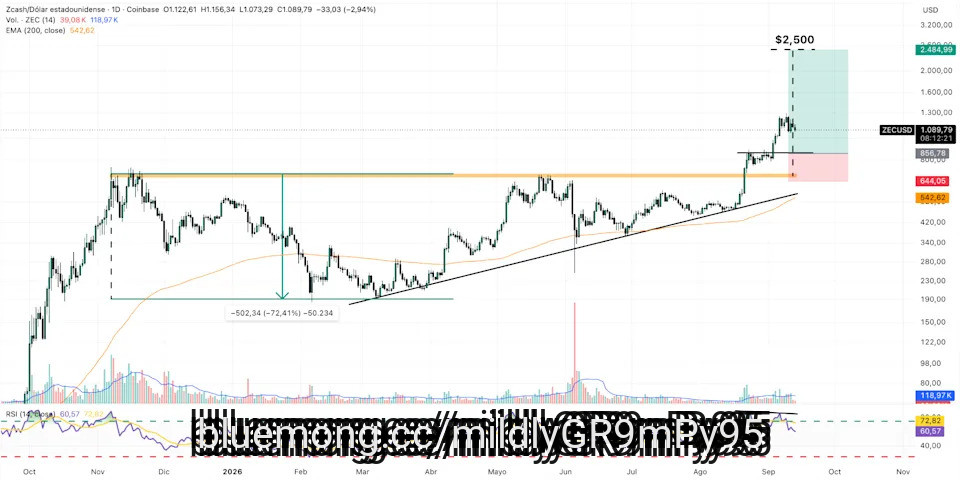
Zcash (ZEC) has dropped by nearly 6% in the past 7 days following a massive rally that pushed the token to its highest levels in a decade.
Trading volumes remain quite high at $1.4 billion, accounting for over 7% of the ******* et's circulating market cap.
The price hit a strong sell wall at $1,300 as macroeconomic conditions in the United States deteriorated.
A stable inflation print on Friday kickstarted a short-lived rally across crypto ******* ets but quickly faded, as odds of a rate hike during the next FOMC meeting rose to nearly 90%.
The Federal Open Market Committee (FOMC) is expected to convene on September 16. Comments from the new Chairman of the central bank, Kevin Warsh, will be scrutinized to get a sense of how the institution plans to curb inflation.
#inflation #zcash #trading #states
Trading volumes remain quite high at $1.4 billion, accounting for over 7% of the ******* et's circulating market cap.
The price hit a strong sell wall at $1,300 as macroeconomic conditions in the United States deteriorated.
A stable inflation print on Friday kickstarted a short-lived rally across crypto ******* ets but quickly faded, as odds of a rate hike during the next FOMC meeting rose to nearly 90%.
The Federal Open Market Committee (FOMC) is expected to convene on September 16. Comments from the new Chairman of the central bank, Kevin Warsh, will be scrutinized to get a sense of how the institution plans to curb inflation.
#inflation #zcash #trading #states


11 days ago
Solana (SOL) has been trading relatively range-bound lately, but bulls have managed to defend the $100 psychological threshold ahead of the Federal Reserve's interest rate decision.
The macroeconomic backdrop continues to be challenging for cryptocurrencies, as inflation in the United States is nearly 200 basis points higher than the central bank's target.
Odds of a rate hike in September have now jumped to 62%, up from a recent low of 50%. Meanwhile, the Treasury Department's decision to triple its bond buybacks did little to change the market's cautious attitude.
As a result, the latest crypto rally has stalled, with SOL experiencing a mild 0.7% advance in the past 7 days.
However, an on-chain metric seems to be indicating that a massive price move is about to take place based on historical patterns.
#rate #meanwhile
The macroeconomic backdrop continues to be challenging for cryptocurrencies, as inflation in the United States is nearly 200 basis points higher than the central bank's target.
Odds of a rate hike in September have now jumped to 62%, up from a recent low of 50%. Meanwhile, the Treasury Department's decision to triple its bond buybacks did little to change the market's cautious attitude.
As a result, the latest crypto rally has stalled, with SOL experiencing a mild 0.7% advance in the past 7 days.
However, an on-chain metric seems to be indicating that a massive price move is about to take place based on historical patterns.
#rate #meanwhile



12 days ago
Our ******* ysts just identified a stock with the potential to be the next Nvidia. Tell us how you invest and we'll show you why it's our #1 pick. Tap here.
Achieved a sixth consecutive quarter of top-line growth, driven by broad-based strength across all regions and industry groups despite macroeconomic headwinds.
Completed the acquisition of AMS to create a global leader in talent and organizational consulting, significantly expanding capabilities in contingent workforce solutions and early career recruiting.
Transitioned to a new geographic reporting structure (Americas, EMEA, APAC) to better align with 'We Are Korn Ferry' go-to-market initiatives and holistic client engagement.
Leveraged proprietary data and IP—including 113 million executive ******* sments—to differentiate services in an AI-saturated market where resume quality has become commoditized.
#market #NVIDIA #tell #americas
Achieved a sixth consecutive quarter of top-line growth, driven by broad-based strength across all regions and industry groups despite macroeconomic headwinds.
Completed the acquisition of AMS to create a global leader in talent and organizational consulting, significantly expanding capabilities in contingent workforce solutions and early career recruiting.
Transitioned to a new geographic reporting structure (Americas, EMEA, APAC) to better align with 'We Are Korn Ferry' go-to-market initiatives and holistic client engagement.
Leveraged proprietary data and IP—including 113 million executive ******* sments—to differentiate services in an AI-saturated market where resume quality has become commoditized.
#market #NVIDIA #tell #americas
12 days ago
On this episode of CoinDesk's Public Keys from the New York Stock Exchange, host Jennifer Sanasie is joined by special guest co-host Ophelia Snyder, Co-Founder of 21Shares. Payward Chief Commercial Officer Mark Greenberg breaks down Kraken parent Payward's new partnerships with SoFi and the London Stock Exchange, and how xStocks is bringing tokenized equities and 24/7 markets to investors around the world. Bullish Exchange President Chris Tyrer unpacks Bullish's $4.2 billion acquisition of transfer agent Equiniti, its first tokenized-share trades on a GFSC-regulated venue, and the competing models shaping the future of tokenized stocks. Plus, Sanasie and Snyder break down another billion-dollar week for Bitcoin and Ethereum ETFs and what shifting macro conditions could mean for crypto.-Learn more at bullish.com.-Register now for CoinDesk's Policy and Regulation event on September 22, 2026: policy-regulation.coindesk.com.-To get market-moving news delivered daily, download CoinDesk's mobile app: linktr.ee/coindeskapp.
#sanasie
#sanasie


12 days ago
SpaceX (NASDAQ:SPCX) has been building its AI business at warp speed. It turns out to be much more challenging to rapidly build reliable data centers than expected. Some of its facilities ran without backup power for months. That recently led the company to make some changes, including reshuffling its leadership team to ensure it can meet a looming deadline for a $920 million-a-month compute deal with Alphabet's (NASDAQ:GOOG)(NASDAQ:GOOGL) Google.
Here's a look at what went wrong and how **** eX is racing to fix the problem.
Missed Nvidia in 2009? This Rare Signal Is Flashing Again. In 2009, a "Double Down" signal flashed for a little-known chipmaker called Nvidia. For the first time in years, that same "Total Conviction" signal is flashing for a company 1/100th the size of Nvidia. Continue »
Image source: The Motley Fool.
Engineering and reliability issues have surfaced at **** eX data center sites in Tennessee and Mississippi. According to a recent report by The Information, several sites operated without backup cooling and power systems as the company pushed to expand capacity as fast as possible. That publication has previously reported issues at **** eX data center sites, including that its Macrohand facility in Tennessee had to rely on over 100 mobile chillers and recorded uptime well below the company's 99.9% internal target. Meanwhile, the company used temporary gas turbines at its Mississippi data center longer than expected due to supply chain issues in delaying 41 permanent units. Temporary outages of the power and cooling systems have interrupted AI model training.
#company #NVIDIA #signal #power
Here's a look at what went wrong and how **** eX is racing to fix the problem.
Missed Nvidia in 2009? This Rare Signal Is Flashing Again. In 2009, a "Double Down" signal flashed for a little-known chipmaker called Nvidia. For the first time in years, that same "Total Conviction" signal is flashing for a company 1/100th the size of Nvidia. Continue »
Image source: The Motley Fool.
Engineering and reliability issues have surfaced at **** eX data center sites in Tennessee and Mississippi. According to a recent report by The Information, several sites operated without backup cooling and power systems as the company pushed to expand capacity as fast as possible. That publication has previously reported issues at **** eX data center sites, including that its Macrohand facility in Tennessee had to rely on over 100 mobile chillers and recorded uptime well below the company's 99.9% internal target. Meanwhile, the company used temporary gas turbines at its Mississippi data center longer than expected due to supply chain issues in delaying 41 permanent units. Temporary outages of the power and cooling systems have interrupted AI model training.
#company #NVIDIA #signal #power


13 days ago
Gold has long served as a portfolio diversifier, often drawing renewed attention during periods of inflation, geopolitical uncertainty, and shifts in monetary policy. In recent years, gold has rallied sharply, reinforcing its reputation as both a store of value and a hedge against macroeconomic risk.
But gold's path has never been a straight line. While the metal has delivered strong returns in certain environments, it has also gone through extended stretches of sideways performance, contributing little to portfolio growth or income. That leaves investors with a familiar tradeoff: maintain gold exposure for its diversification benefits, or reallocate to ***** ets that can generate income along the way.
The NEOS Gold High Income ETF (IAUI) aims to combine gold's traditional store-of-value role with an income-generating options strategy, seeking to deliver high monthly income while preserving upside potential.
The fund's approach rests on two components:
Gold exposure: Up to 25% of the portfolio is allocated to low-cost physical gold ETPs, with the remaining 75% gained through synthetic exposure via GLD options, aiming to track gold's price movements directly. Limiting direct physical gold exposure to 25% also allows the fund to report taxes via Form 1099-DIV rather than a K-1, simplifying year-end tax reporting for investors.
#store
But gold's path has never been a straight line. While the metal has delivered strong returns in certain environments, it has also gone through extended stretches of sideways performance, contributing little to portfolio growth or income. That leaves investors with a familiar tradeoff: maintain gold exposure for its diversification benefits, or reallocate to ***** ets that can generate income along the way.
The NEOS Gold High Income ETF (IAUI) aims to combine gold's traditional store-of-value role with an income-generating options strategy, seeking to deliver high monthly income while preserving upside potential.
The fund's approach rests on two components:
Gold exposure: Up to 25% of the portfolio is allocated to low-cost physical gold ETPs, with the remaining 75% gained through synthetic exposure via GLD options, aiming to track gold's price movements directly. Limiting direct physical gold exposure to 25% also allows the fund to report taxes via Form 1099-DIV rather than a K-1, simplifying year-end tax reporting for investors.
#store

0.00$ raised of 0.00$ goal
0 donations
0.00$
to go

15 days ago
Jeff Klingelhofer, CFA, Managing Director, Portfolio Manager & Senior Research **** yst, Securitized **** ets at Aristotle Pacific didn't set out to be a bond guy but a launchpad at PIMCO, stops in Tokyo and London, and a Chicago MBA detour into a scrappy five-person hedge fund rewired how he thinks about fixed income. The internship stuck, with Klingelhofer building out Thornburg's taxable fixed income desk from employee #3 to Head of Investments, before joining Aristotle Pacific in 2024. The firm is a 15-year-old franchise (formerly Pacific **** et Management) now running roughly $16 billion and, as of July 30, three brand-new ETFs: the Aristotle Core Plus Income ETF (ARCP), the Aristotle Multi-Sector Income ETF (ARMS), and the Aristotle Short Term Income ETF (SDUR).
The pitch isn't about taking on more risk to boost returns but about capturing returns with minimal risk, and that means shopping across every fixed income silo instead of hunting inside one. Klingelhofer gives the example of February 2020, when American Airlines' corporate bond and its aircraft-backed EETC both priced at 3.75% with the same issuer, same tenor, same yield. A month later, COVID hit and the corporate bond cratered to 27 cents on the dollar while the EETC held at 65 cents. Same company, wildly different outcomes because Wall Street desks looked at each instrument in isolation instead of comparing across the capital stack. That's the whole Aristotle Pacific thesis, and it's why he sees the same mispricing setting up today in data center financing.
The three funds slot into that framework by risk level, with SDUR as a low-duration, active-credit alternative to cash, ARCP as a core-bond upgrade aiming to beat the Agg by 100-150bps, and ARMS as the full relative-value expression targeting 250bps over a cycle with real flexibility to shift credit quality. Macro-wise, Klingelhofer thinks the market is underestimating new Fed Chair Warsh, who, unlike his predecessor, inherits a purely high-inflation world with no disinflationary tailwind. It means the firm is positioning the funds slightly long duration as a hedge against credit risk elsewhere in the book. His closing advice to advisors was a cautionary and practical one, that they shouldn't expect Aristotle to work in every environment (no fund does), and to pair its bottom-up process with top-down managers like PIMCO so the two zig and zag differently throughout market cycles.
To learn more about Aristotle Pacific, go here, or you can learn more about their new ETFs here.
#pacific #same #fixed
The pitch isn't about taking on more risk to boost returns but about capturing returns with minimal risk, and that means shopping across every fixed income silo instead of hunting inside one. Klingelhofer gives the example of February 2020, when American Airlines' corporate bond and its aircraft-backed EETC both priced at 3.75% with the same issuer, same tenor, same yield. A month later, COVID hit and the corporate bond cratered to 27 cents on the dollar while the EETC held at 65 cents. Same company, wildly different outcomes because Wall Street desks looked at each instrument in isolation instead of comparing across the capital stack. That's the whole Aristotle Pacific thesis, and it's why he sees the same mispricing setting up today in data center financing.
The three funds slot into that framework by risk level, with SDUR as a low-duration, active-credit alternative to cash, ARCP as a core-bond upgrade aiming to beat the Agg by 100-150bps, and ARMS as the full relative-value expression targeting 250bps over a cycle with real flexibility to shift credit quality. Macro-wise, Klingelhofer thinks the market is underestimating new Fed Chair Warsh, who, unlike his predecessor, inherits a purely high-inflation world with no disinflationary tailwind. It means the firm is positioning the funds slightly long duration as a hedge against credit risk elsewhere in the book. His closing advice to advisors was a cautionary and practical one, that they shouldn't expect Aristotle to work in every environment (no fund does), and to pair its bottom-up process with top-down managers like PIMCO so the two zig and zag differently throughout market cycles.
To learn more about Aristotle Pacific, go here, or you can learn more about their new ETFs here.
#pacific #same #fixed


15 days ago
Solana (SOL) has gone up by 44% in the past 30 days, and bulls have managed to defend the $100 psychological support in the past few days, as demand seems resilient to macroeconomic woes.
Trading volumes jumped by 64% in the past 24 hours, after the token bounced strongly off the $100 threshold. At $3.5 billion, this level of activity accounts for nearly 6% of the ****** et's circulating market cap.
Last week, after a brief drop to 50%, the odds of a rate hike in September by the Federal Reserve jumped back to 58%, following a better-than-expected jobs report in the United States.
However, President Donald Trump has addressed Fed officials directly, and the rhetoric between the White House and the country's central bank seems to be getting heated.
Trump's administration is pressuring the Fed to lower rates during the next FOMC meeting, but the latest minutes indicate that the Committee is actually leaning toward a rate hike.
#past #rate #Solana #september
Trading volumes jumped by 64% in the past 24 hours, after the token bounced strongly off the $100 threshold. At $3.5 billion, this level of activity accounts for nearly 6% of the ****** et's circulating market cap.
Last week, after a brief drop to 50%, the odds of a rate hike in September by the Federal Reserve jumped back to 58%, following a better-than-expected jobs report in the United States.
However, President Donald Trump has addressed Fed officials directly, and the rhetoric between the White House and the country's central bank seems to be getting heated.
Trump's administration is pressuring the Fed to lower rates during the next FOMC meeting, but the latest minutes indicate that the Committee is actually leaning toward a rate hike.
#past #rate #Solana #september



15 days ago
Besides the artificial intelligence trade, investors have been obsessed with any macroeconomic news that hits headlines. And it's hard to find a story in recent weeks that captured the market's attention like the U.S surpassing $40 trillion in gross federal debt. By any measure, this is an absolutely mind-boggling number.
The debt balance has expanded by 377% in the past two decades. And it currently represents 123% of the country's total GDP figure. The Congressional Budget Office estimates that it will continue climbing, reaching $64 trillion by 2036.
Missed Nvidia in 2009? This Rare Signal Is Flashing Again. In 2009, a "Double Down" signal flashed for a little-known chipmaker called Nvidia. For the first time in years, that same "Total Conviction" signal is flashing for a company 1/100th the size of Nvidia. Continue »
Investors had better get used to hearing more about the U.S. national debt problem. Here's what this macro trend means for your portfolio in 2026 and beyond.
The U.S. has the world's largest and most advanced economy, driven by dominance in the technology sector. It controls the global reserve currency in the dollar. And it has the most robust and liquid capital markets. These advantageous traits support the argument that the nation can keep borrowing indefinitely.
#NVIDIA #signal #debt #investors
The debt balance has expanded by 377% in the past two decades. And it currently represents 123% of the country's total GDP figure. The Congressional Budget Office estimates that it will continue climbing, reaching $64 trillion by 2036.
Missed Nvidia in 2009? This Rare Signal Is Flashing Again. In 2009, a "Double Down" signal flashed for a little-known chipmaker called Nvidia. For the first time in years, that same "Total Conviction" signal is flashing for a company 1/100th the size of Nvidia. Continue »
Investors had better get used to hearing more about the U.S. national debt problem. Here's what this macro trend means for your portfolio in 2026 and beyond.
The U.S. has the world's largest and most advanced economy, driven by dominance in the technology sector. It controls the global reserve currency in the dollar. And it has the most robust and liquid capital markets. These advantageous traits support the argument that the nation can keep borrowing indefinitely.
#NVIDIA #signal #debt #investors



18 days ago
Bitcoin surged 38% from its $57,748 July low to above $80,000, but rate-hike fears from a strong August jobs report quickly pulled it back.
BlackRock's IBIT ETF grew from $47.7 billion to $60.2 billion in net ****** ets since late July, reflecting strong institutional demand for regulated Bitcoin exposure.
Bond yields near 5%, oil above $96 from the U.S.-Iran war, and an expected September rate hike create steep macro headwinds for Bitcoin hitting $100,000.
Just released. Our ****** ysts combed the entire stock market and named the ten best stocks to buy right now. The report is free. Enter your email and see if any of your stocks made the cut.
Markets have spent much of 2026 wrestling with inflation, higher-for-longer interest rates, trade uncertainty, and a bond market that refuses to behave like the safe harbor investors once took for granted. Against that backdrop, Bitcoin (CRYPTO:BTC) has quietly staged one of the year's sharper recoveries.
#july #bond #report
BlackRock's IBIT ETF grew from $47.7 billion to $60.2 billion in net ****** ets since late July, reflecting strong institutional demand for regulated Bitcoin exposure.
Bond yields near 5%, oil above $96 from the U.S.-Iran war, and an expected September rate hike create steep macro headwinds for Bitcoin hitting $100,000.
Just released. Our ****** ysts combed the entire stock market and named the ten best stocks to buy right now. The report is free. Enter your email and see if any of your stocks made the cut.
Markets have spent much of 2026 wrestling with inflation, higher-for-longer interest rates, trade uncertainty, and a bond market that refuses to behave like the safe harbor investors once took for granted. Against that backdrop, Bitcoin (CRYPTO:BTC) has quietly staged one of the year's sharper recoveries.
#july #bond #report

18 days ago
On its face, France and India do not have much in common. France is a NATO ally; India has remained outside any alliance system. France had numerous colonies around the world and maintains relations with many of them since they achieved independence. India was not one of those countries — it was the jewel in the British crown.
Yet both states have a common self-perception as independent poles in a multipolar world.
Despite its membership of NATO, France's long-standing refusal to join NATO's nuclear planning group reflects both its determination to maintain the independence of its nuclear deterrent and policy of what president Emmanuel Macron calls "strategic autonomy." And he is extending a French nuclear umbrella to other European states.
India, like France, is a nuclear power. It too has long pursued an independent national security policy. New Delhi did have close military and economic relations with the Soviet Union and still is a major purchaser of Russian oil. Nevertheless, the former leader of the non-aligned group of nations has no formal alliances and does not seek any.
Although France and India have maintained good relations since India achieved independence in 1947, their ties reached a turning point in 1998. That was when India conducted five nuclear tests and Washington issued sanctions against India. France did not. Indeed, France upgraded its strategic relationship with India that year.
#since
Yet both states have a common self-perception as independent poles in a multipolar world.
Despite its membership of NATO, France's long-standing refusal to join NATO's nuclear planning group reflects both its determination to maintain the independence of its nuclear deterrent and policy of what president Emmanuel Macron calls "strategic autonomy." And he is extending a French nuclear umbrella to other European states.
India, like France, is a nuclear power. It too has long pursued an independent national security policy. New Delhi did have close military and economic relations with the Soviet Union and still is a major purchaser of Russian oil. Nevertheless, the former leader of the non-aligned group of nations has no formal alliances and does not seek any.
Although France and India have maintained good relations since India achieved independence in 1947, their ties reached a turning point in 1998. That was when India conducted five nuclear tests and Washington issued sanctions against India. France did not. Indeed, France upgraded its strategic relationship with India that year.
#since


18 days ago
Bitcoin news today shows the price rose more than 5% on September 3 to trade briefly above $82,000, as concerns about a Federal Reserve rate hike eased and Treasury yields fell. Fundstrat head of digital ******* ets Sean Farrell called the move important data worth respecting, while noting Bitcoin has bucked its historically weak September pattern over the past three years.
This is not simply a one-day rebound. It is the latest data point in a debate among strategists over whether the crypto bear market has already bottomed, a thesis complicated by volatile spot Bitcoin ETF flows and a seasonal track record that still favors caution.
DISCOVER: Upcoming Binance Listings
The token's move above $82,000 follows a 25% rally in August, a month strategists have flagged as a turning point after the Treasury Department's intervention in the bond market and ******* istance to ******* an helped lift both gold and crypto prices. Some of those August gains were erased when oil prices surged and hawkish remarks from Fed Chairman Kevin Warsh raised concerns about the central bank's September rate decision, before Fed governor Christopher Waller signaled openness to holding rates steady if inflation continues to ease.
Despite the rebound, Bitcoin remains roughly 7% lower year to date and about 35% below the all-time high of more than $126,000 it reached in early October 2025. September itself carries an unfavorable base rate: Farrell noted Bitcoin has posted negative returns in nine of the past 15 years during the month, though he cautioned that seasonality is a helpful data point rather than a foolproof trading system. For more on how Treasury-yield dynamics have shaped this resilience, see Bitcoin's macro pressure and resilience, and on the ETF side, BlackRock's IBIT and the current price setup.
#september #treasury #point #farrell
This is not simply a one-day rebound. It is the latest data point in a debate among strategists over whether the crypto bear market has already bottomed, a thesis complicated by volatile spot Bitcoin ETF flows and a seasonal track record that still favors caution.
DISCOVER: Upcoming Binance Listings
The token's move above $82,000 follows a 25% rally in August, a month strategists have flagged as a turning point after the Treasury Department's intervention in the bond market and ******* istance to ******* an helped lift both gold and crypto prices. Some of those August gains were erased when oil prices surged and hawkish remarks from Fed Chairman Kevin Warsh raised concerns about the central bank's September rate decision, before Fed governor Christopher Waller signaled openness to holding rates steady if inflation continues to ease.
Despite the rebound, Bitcoin remains roughly 7% lower year to date and about 35% below the all-time high of more than $126,000 it reached in early October 2025. September itself carries an unfavorable base rate: Farrell noted Bitcoin has posted negative returns in nine of the past 15 years during the month, though he cautioned that seasonality is a helpful data point rather than a foolproof trading system. For more on how Treasury-yield dynamics have shaped this resilience, see Bitcoin's macro pressure and resilience, and on the ETF side, BlackRock's IBIT and the current price setup.
#september #treasury #point #farrell